


Rebuild
– extending the lifecycle of rescue chambers
Refurbishing existing rescue chambers is a cost-effective way to extend their service life and ensure they meet current safety requirements in a mining environment.
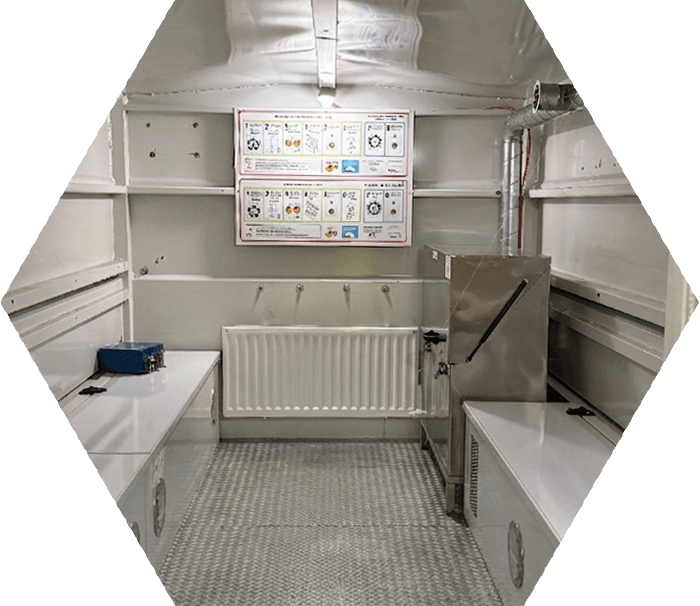
The Rebuild service is suitable for airtight protective shelters and is delivered as a site-specific, purpose-designed solution. The objective of the refurbishment is to ensure the shelter’s operational reliability in all emergency situations and to improve user comfort and maintainability.

Scope of the refurbishment


As part of Rebuild, we design, supply, and install the key safety and support systems for the protective shelter:
- air purification system
- humidity control (dehumidification)
- energy-efficient lighting
- heating system
- electrical installation and connections
- backup power system
- chemical toilet for the vestibule area
- clear, illustrated operating instructions for emergency situations
User comfort in emergency situations

Made for People
The refurbishment also takes into account user comfort in the shelter, which is a critical factor during prolonged stays. Improved lighting enhances visibility and reduces strain, while a quieter air purification system lowers noise levels and increases comfort.
Hygiene and user comfort
Dehumidification keeps the air pleasant and prevents condensation on surfaces. An odourless chemical toilet placed in the vestibule area improves hygiene, and its separate location increases user comfort.
Comfort considered
In addition, the shelter can be equipped with activities, such as games, to support mental resilience during waiting situations.
Benefits for the mine
Cost-effective
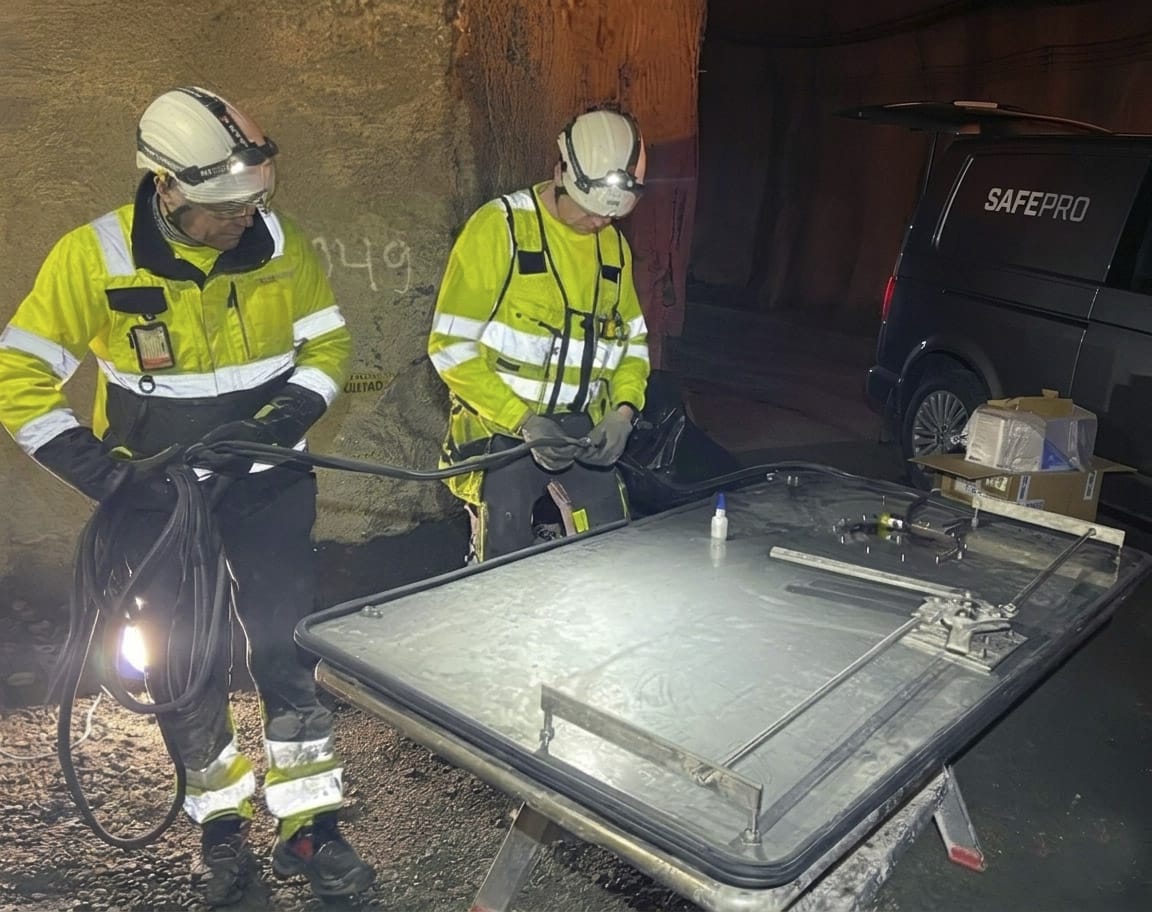
Rebuild extends the service life of rescue chambers cost-effectively and brings them into line with current safety requirements without the need for new investments. The upgraded systems improve operational reliability, especially in abnormal situations such as power outages, smoke incidents, and ventilation disruptions.
Extended lifecycle
Modern solutions reduce maintenance needs and lower lifecycle costs, while usability and safety improve. Clear operating instructions support personnel in critical situations.
